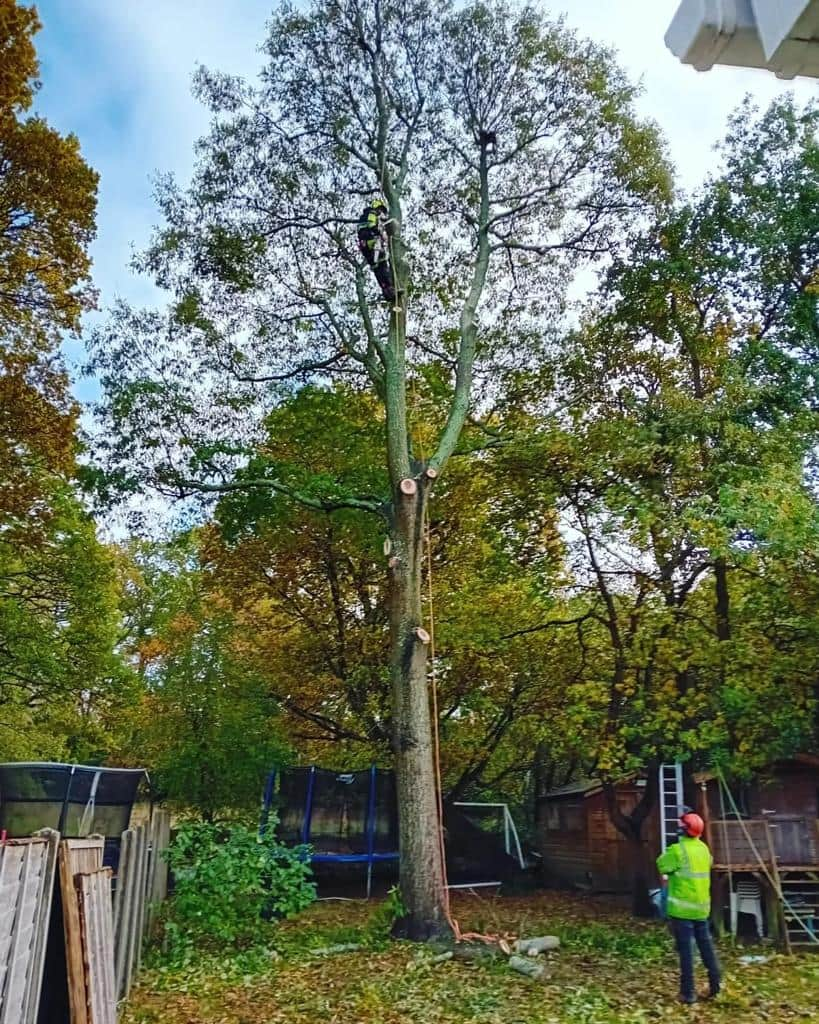
Trees bring character, shade and natural beauty to gardens, but excessive growth can sometimes prevent sunlight from reaching windows, patios and outdoor living areas. Overhanging branches and dense canopies may leave parts of a property feeling darker than necessary, particularly when trees have not been maintained for several growing seasons.
For homeowners in Lee-on-the-Solent, Hampshire, regular tree trimming can help manage excessive growth while preserving the health and natural shape of trees. LM Tree Surgery Lee-on-the-Solent provides professional tree care services to help property owners maintain balanced canopies and make better use of their outdoor spaces.
How Overgrown Trees Affect Natural Light
Trees naturally spread their branches towards available light, and their canopies can become increasingly dense as they mature. When growth extends over a garden, windows or seating areas, it may reduce the amount of daylight reaching these spaces.
The impact depends on the tree’s height, species, canopy density and position in relation to the property. Evergreen trees can provide year-round screening, while deciduous trees may create more shade during spring and summer when their foliage is at its fullest.
Common signs that a tree may need attention include:
- Rooms becoming noticeably darker as the canopy expands.
- Branches extending over windows, conservatories or patios.
- Dense foliage casting heavy shade across lawns and garden borders.
- Trees growing into areas where more natural light would be beneficial.
Professional assessment can help determine whether selective trimming would improve light levels without compromising the tree’s condition.
Tree Trimming Techniques That Help Improve Light
The most suitable approach depends on how the tree grows and where the shade falls. Removing branches indiscriminately can damage the tree, so trimming should focus on achieving a clear purpose while maintaining a balanced structure.
Selective Pruning
Selective pruning involves removing carefully chosen branches to manage growth and reduce obstruction. Rather than cutting back the entire canopy, a tree surgeon identifies growth that is contributing most to the problem.
This can help open up specific areas around windows, pathways and seating spaces while retaining much of the tree’s natural appearance. Careful pruning also avoids removing more foliage than necessary, which can place the tree under stress.
Crown Thinning
Crown thinning involves selectively removing a proportion of smaller branches throughout the canopy to reduce its density. It can allow more light to filter through the tree without substantially reducing its overall height or spread.
This technique may be useful when a dense canopy creates widespread shade across a garden. However, thinning needs to be carried out carefully, as excessive removal can disrupt the tree’s structure and encourage unsuitable regrowth.
Crown Reduction
Where a tree has become too large for its surroundings, crown reduction may help manage its overall height and spread. The process involves shortening selected branches while aiming to maintain the tree’s natural form.
Crown reduction can be appropriate when upper or outward-growing branches block sunlight or extend too far over parts of a property. It is different from indiscriminate topping, which can leave large wounds and weaken the tree’s structure.
A professional tree surgeon can establish whether crown reduction is suitable for the species and condition of the tree.
When Is the Best Time to Trim Trees?
The appropriate time for tree trimming depends on the species, the type of work required and the tree’s condition. Some pruning can be undertaken during the dormant season, while other work may be more suitable at different stages of growth.
There is no single ideal time for every tree. Dead, damaged or potentially hazardous branches may need attention when identified, regardless of the usual pruning season.
It is also important to consider wildlife before undertaking work. Trees and hedges can provide nesting and shelter for birds and other animals, so checks should be made before cutting begins.
If your main aim is to improve natural light, planning the work before the canopy becomes excessively dense can help you manage growth more effectively.
Why Professional Tree Trimming Matters
Removing too many branches can do more harm than good. Excessive cutting may weaken a tree, expose previously shaded branches to sudden changes in sunlight and encourage vigorous, poorly positioned regrowth.
Professional tree surgeons understand how different pruning techniques affect tree structure and future development. They can identify which branches should be removed, how much growth can reasonably be reduced and whether another approach would better achieve the desired result.
Professional equipment and safe working methods are particularly important when branches extend over roofs, garden buildings, fences or other obstacles.
For property owners in Lee-on-the-Solent, Hampshire, a tailored approach helps balance the need for more natural light with the importance of maintaining healthy trees.
How to Prevent Trees from Becoming Overgrown Again
Regular maintenance is often more effective than allowing a tree to become excessively large before arranging substantial pruning. Periodic assessments can identify developing problems and help determine when selective work is needed.
Consider the following steps:
- Monitor branches that gradually extend towards windows and outdoor seating areas.
- Arrange professional advice when the canopy begins to create excessive shade.
- Avoid cutting large sections of the tree without understanding how this will affect future growth.
- Keep an eye on damaged, crossing or poorly positioned branches that may need attention.
The objective is not necessarily to remove as much growth as possible. Instead, it is to maintain a suitable balance between the tree’s natural development and the needs of the surrounding property.
Conclusion
Overgrown trees can reduce natural light by allowing dense foliage and extending branches to shade windows, patios and garden spaces. Techniques such as selective pruning, crown thinning and crown reduction can help manage this problem when used appropriately.
LM Tree Surgery Lee-on-the-Solent provides professional tree care services for property owners in Lee-on-the-Solent, Hampshire. If an overgrown canopy is making your home or garden darker, get in touch to discuss your requirements and arrange a professional tree assessment.
Call us on: 023 8235 6393
Click here to find out more about LM Tree Surgery Lee-on-the-Solent
Click here to complete our contact form and see how we can help with your tree needs.