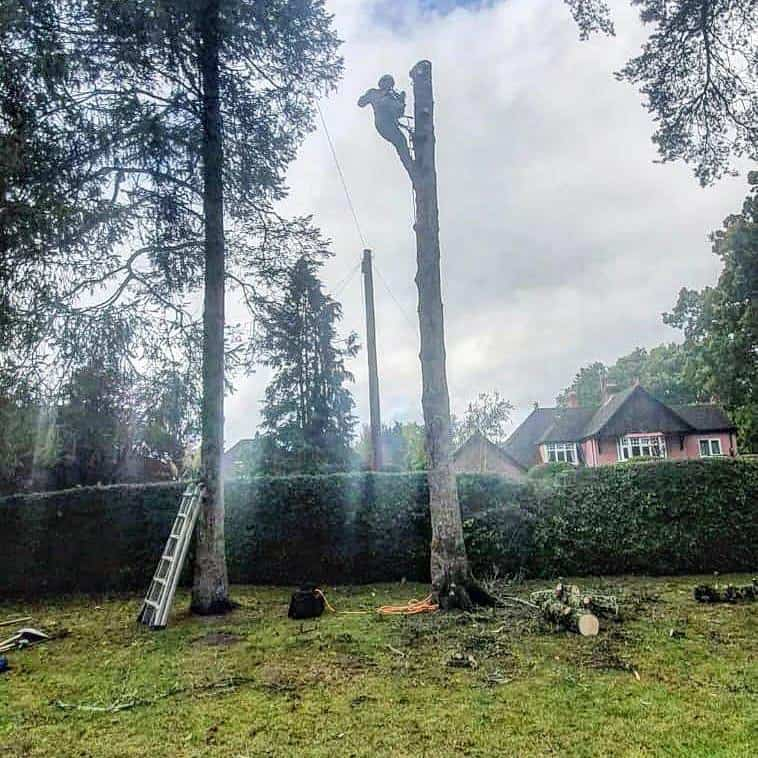
Tree removal may seem like a last resort, but in certain circumstances it is the most responsible and beneficial choice for both the tree itself and the surrounding landscape. While professional tree surgery aims to preserve, strengthen and improve the health of trees wherever possible, some trees reach a stage where continued decline puts people, property and nearby vegetation at risk.
For homeowners in Lee-on-the-Solent, understanding when removal is the healthiest option ensures the long-term safety and balance of the landscape.
When a Tree Becomes Too Diseased to Recover
Some diseases progress beyond a point where treatment is effective. Advanced fungal infections, internal decay and widespread dieback can leave a tree structurally unstable and unable to recover.
Warning signs include:
- Large areas of dead or brittle branches
- Cavities or hollow sections in the trunk
- Fungal fruiting bodies at the base
- Rapid thinning of the canopy
In these cases, removal prevents the disease from spreading to other nearby trees and eliminates the risk of sudden collapse.
Protecting Nearby Trees and Planting Areas
A declining or infected tree often affects more than just itself. Root infections, fungal spores and pest infestations can spread across a garden or commercial site. Removing the compromised tree can act as a protective measure, preventing a wider outbreak and preserving the overall health of your green space.
In Lee-on-the-Solent, where gardens may contain a variety of ornamental and mature trees, safeguarding the broader environment is an important consideration.
When Structural Instability Becomes a Safety Hazard
A tree may look healthy externally yet still be weakened internally. Storm damage, decay within the trunk or root system, and poor past pruning can all compromise its ability to withstand wind and weight. This is particularly relevant in coastal areas like Lee-on-the-Solent, where strong winds are common.
If a tree is leaning dangerously, shedding large limbs or showing signs of root failure, removal can be the only safe solution to prevent damage or injury.
Preventing Damage to Buildings and Infrastructure
As trees grow, their roots and branches can begin to interfere with surrounding structures. Common issues include:
- Roots affecting foundations, driveways or underground services
- Branches obstructing roofs, gutters or telecom lines
- Trees growing too close to property boundaries
When pruning is no longer enough to manage the impact, removal may be necessary to protect nearby buildings and maintain a safe, manageable layout.
Allowing the Landscape to Thrive
In some cases, a tree becomes so large or dominant that it prevents other plants from growing. Excessive shade, root competition and nutrient depletion can weaken lawns, borders and younger trees. Removing an overcrowding tree can restore balance, allowing the landscape to flourish again.
This is especially relevant in compact gardens where space is limited and every planting area needs to work well together.
Making Space for Healthier Replacements
Removing an unhealthy or unsuitable tree often creates opportunities for replanting—something many homeowners value. A replacement species can be chosen that suits the size of the garden, the soil conditions in Lee-on-the-Solent, and the long-term plans for the space.
This approach strengthens long-term tree health across the garden and enhances visual appeal.
Conclusion
While tree removal is never the first option, it is sometimes the most responsible one. Whether a tree is diseased, structurally unsafe, damaging nearby structures or restricting the growth of surrounding plants, timely removal protects the wider landscape and ensures a safer environment.
If you’re unsure whether a tree on your property should be removed, LM Tree Surgery Lee-on-the-Solent can provide clear, professional guidance. Our assessments help you make informed decisions that support both safety and long-term garden health.
Call us on: 023 8235 6393
Click here to find out more about LM Tree Surgery Lee-on-the-Solent
Click here to complete our contact form and see how we can help with your tree needs.